 Network & Latency
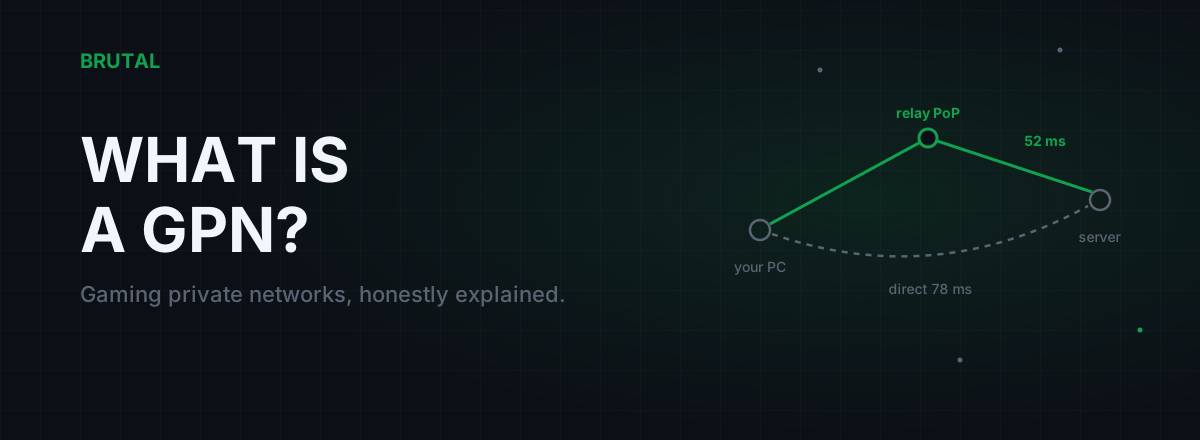
What Is a GPN? Gaming Private Networks, Honestly Explained
A GPN reroutes only your game's traffic through relay servers when that path beats your ISP's route. Here's how it works, when it helps, and when physics says no.
 Network & Latency
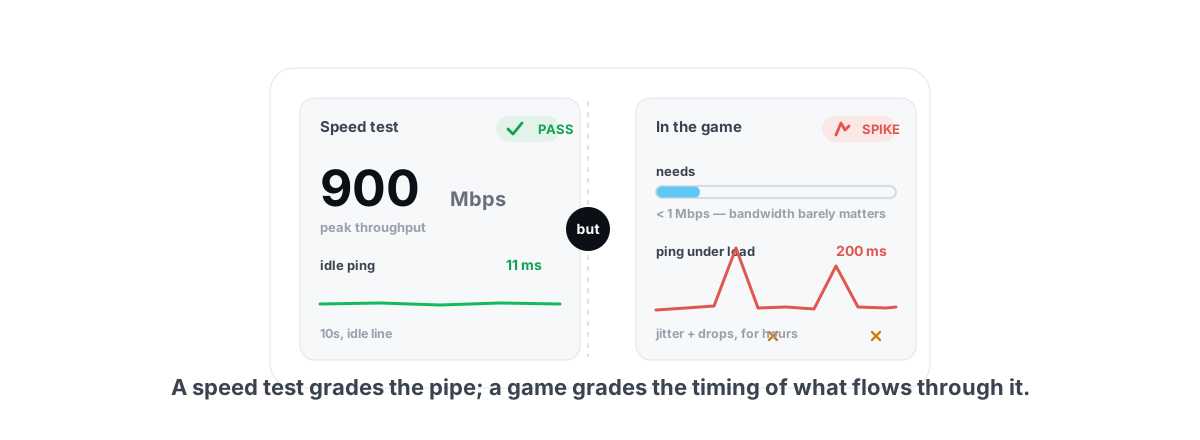
Ping Spikes Only When Gaming but Internet Is Fine
Speed test passes but games spike? The real causes are background apps, adapter power saving, Wi-Fi and bufferbloat - all verifiable, none placebo.
 Myths & Honest Truths
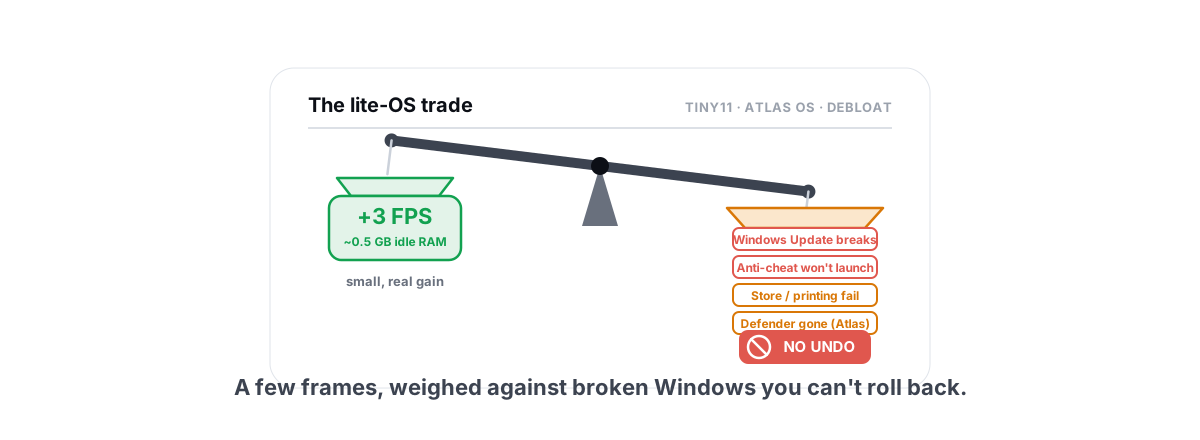
Are Tiny11, Atlas OS & Debloat Scripts Safe in 2026?
Honest side-by-side on Tiny11, Atlas OS and debloat scripts: small real gains, big risks, no rollback, versus reversible tweaks on normal Windows.
 Hardware & Drivers
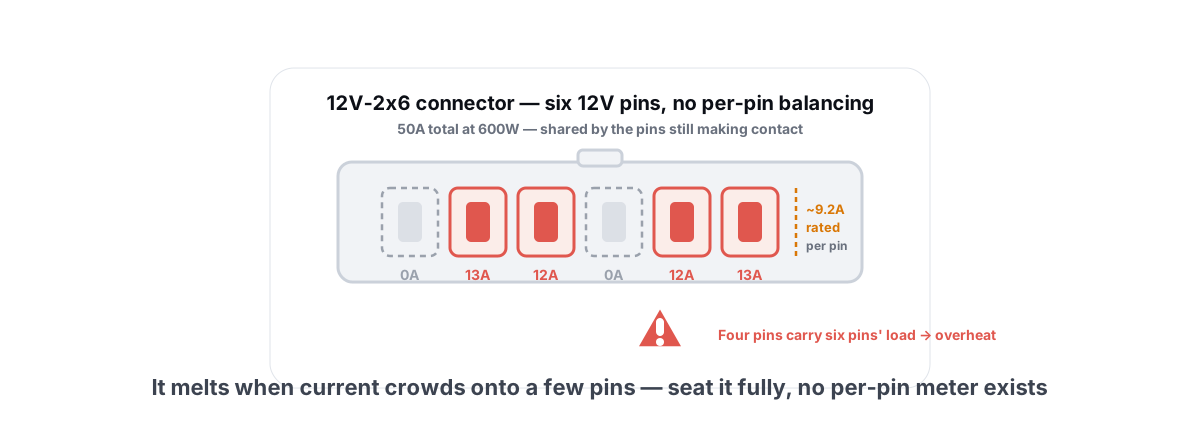
RTX 5090 12V-2x6 Connector Melting: Prevent & Check
Stop the 16-pin melting story before it hits your card: proper seating, bend clearance, what to monitor, and when a melt means RMA not reseat.
 Gaming & FPS
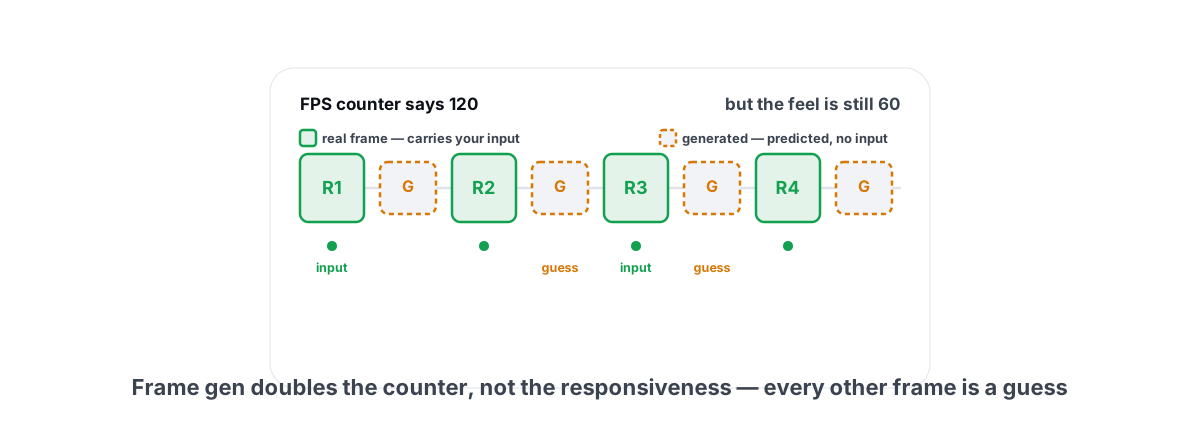
Is Frame Generation Worth It? Input Lag Explained
Frame gen raises your FPS counter but not your responsiveness. Where it genuinely helps, where it hurts, and how Reflex 2 Frame Warp changes the math.
 Emulators
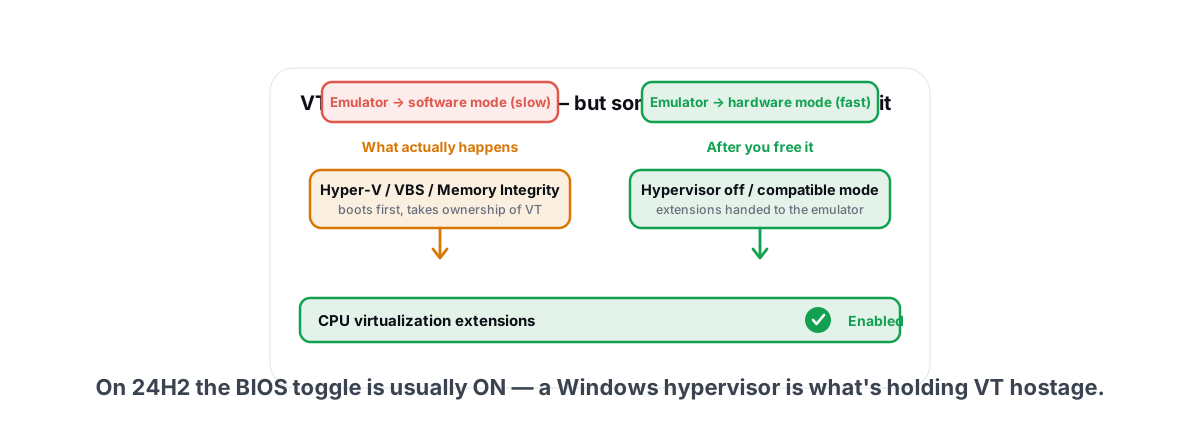
Enable VT-x / SVM for Emulator on Windows 11 24H2
Your emulator is stuck in slow software mode because VT-x/SVM is off or occupied. The 24H2 UEFI path, the Hyper-V/Memory Integrity gotcha, and OEM-locked cases.
 Disk, Drive & Cleanup
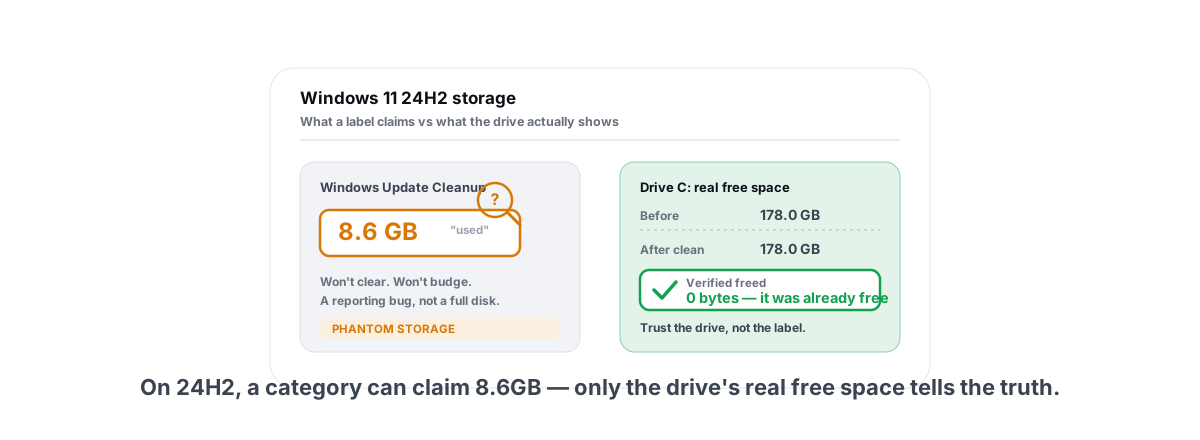
What's Taking Up SSD Space on Windows 11 24H2?
The 24H2 phantom-storage bug, the 8.6GB update cache, games and shader caches, and how to verify freed bytes instead of trusting a cleaner.
 Anti-Cheat & Safety
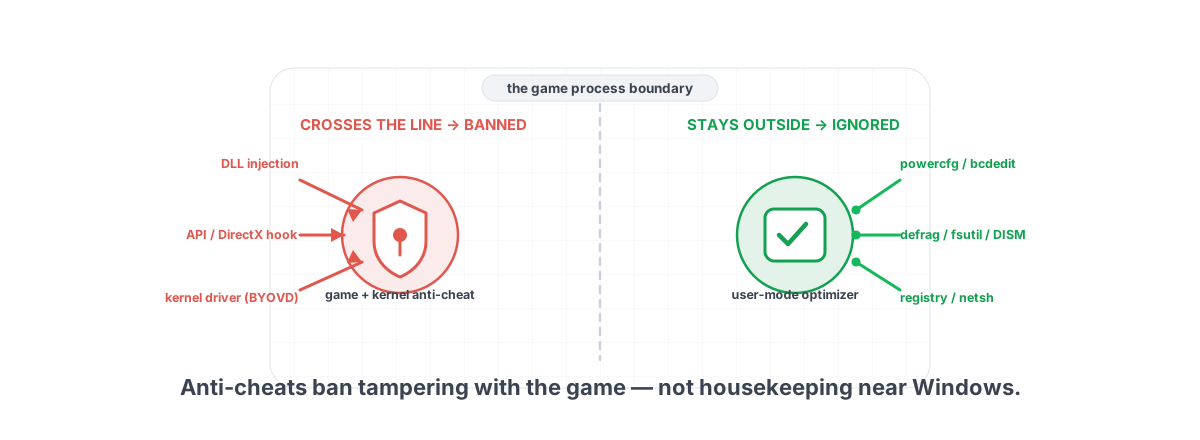
Will a PC Optimizer Get You Banned in Valorant or Fortnite?
What actually triggers Vanguard, EAC and BattlEye in 2026 — drivers, hooks, injection — versus what a user-mode, no-driver optimizer really does.
 Emulators
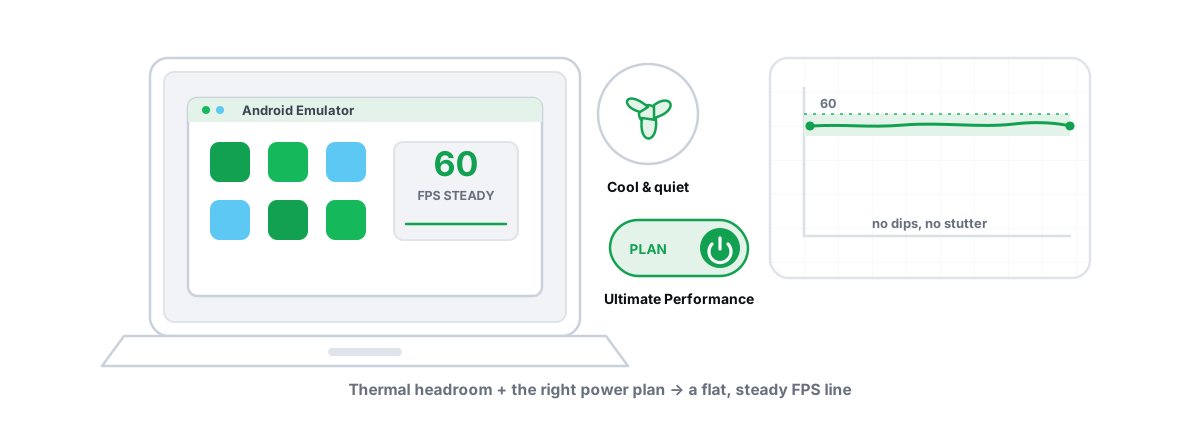
How to Run an Emulator Smoothly on a Laptop
Beat laptop emulator lag the right way: stop battery and thermal throttling, force the discrete GPU, and right-size cores and RAM.
 Emulators
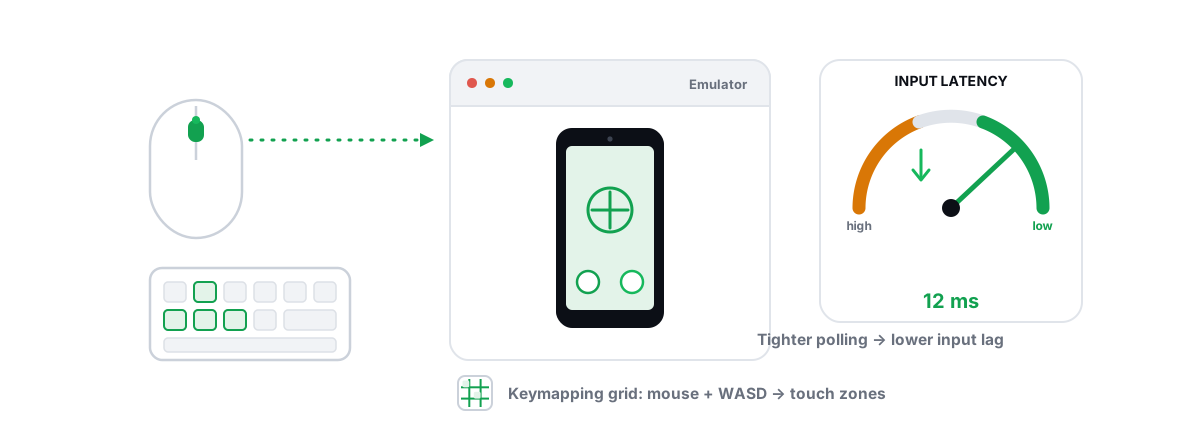
How to Reduce Input Lag in an Emulator
Walk the input chain from your click to the screen and fix the emulator and Windows levers that actually add latency.
 Windows Performance
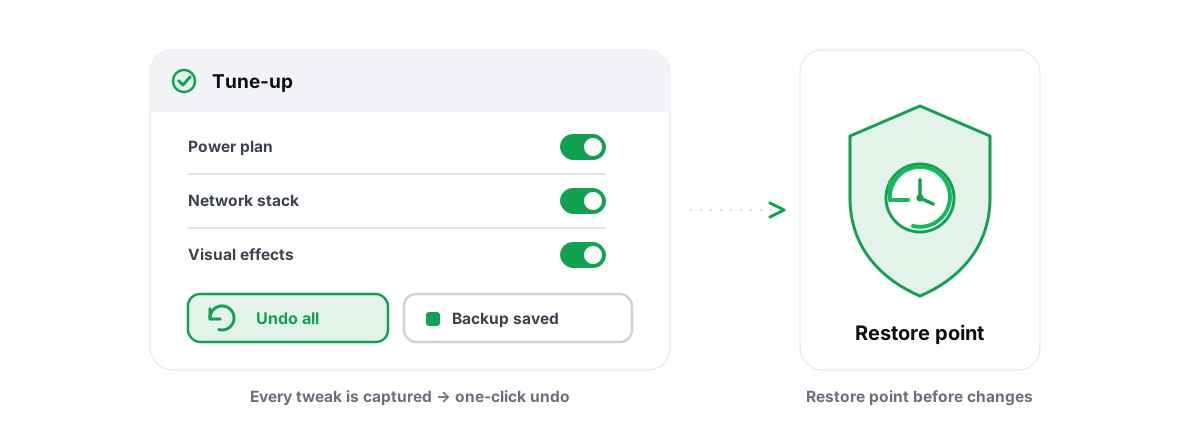
Optimize Windows for Gaming Safely, No Bricking
The safety-first way to optimize Windows for gaming: restore points, reversible tweaks, and skipping the scripts that brick your install.
 Gaming & FPS
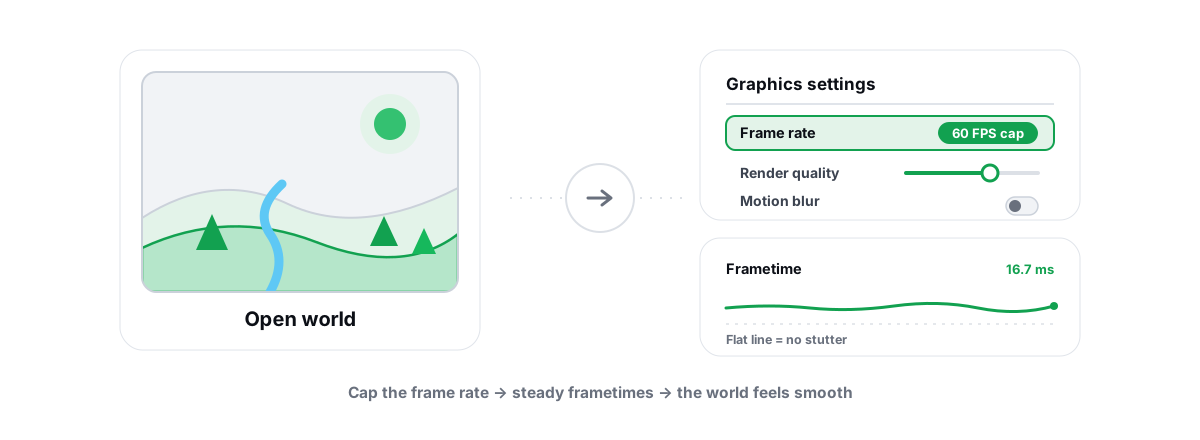
How to Optimize Genshin Impact on PC for FPS
How Genshin's FPS cap works on PC, the settings that actually move frames, and the honest fix for open-world traversal stutter.